Island Life · 7 min read · November 17, 2026
Clamming on Nantucket: A Preppy Guide to Digging Your Own Supper
Yes, Nantucket clams just like Cape Cod. Quahogs all year, steamers on Sundays, a wire basket floating in a striped tube, and supper on the tailgate at sunset. Here's how islanders do it, and how to look good doing it.

Styled Nantucket Charm scenes created for this story, not photographs of real people or places.
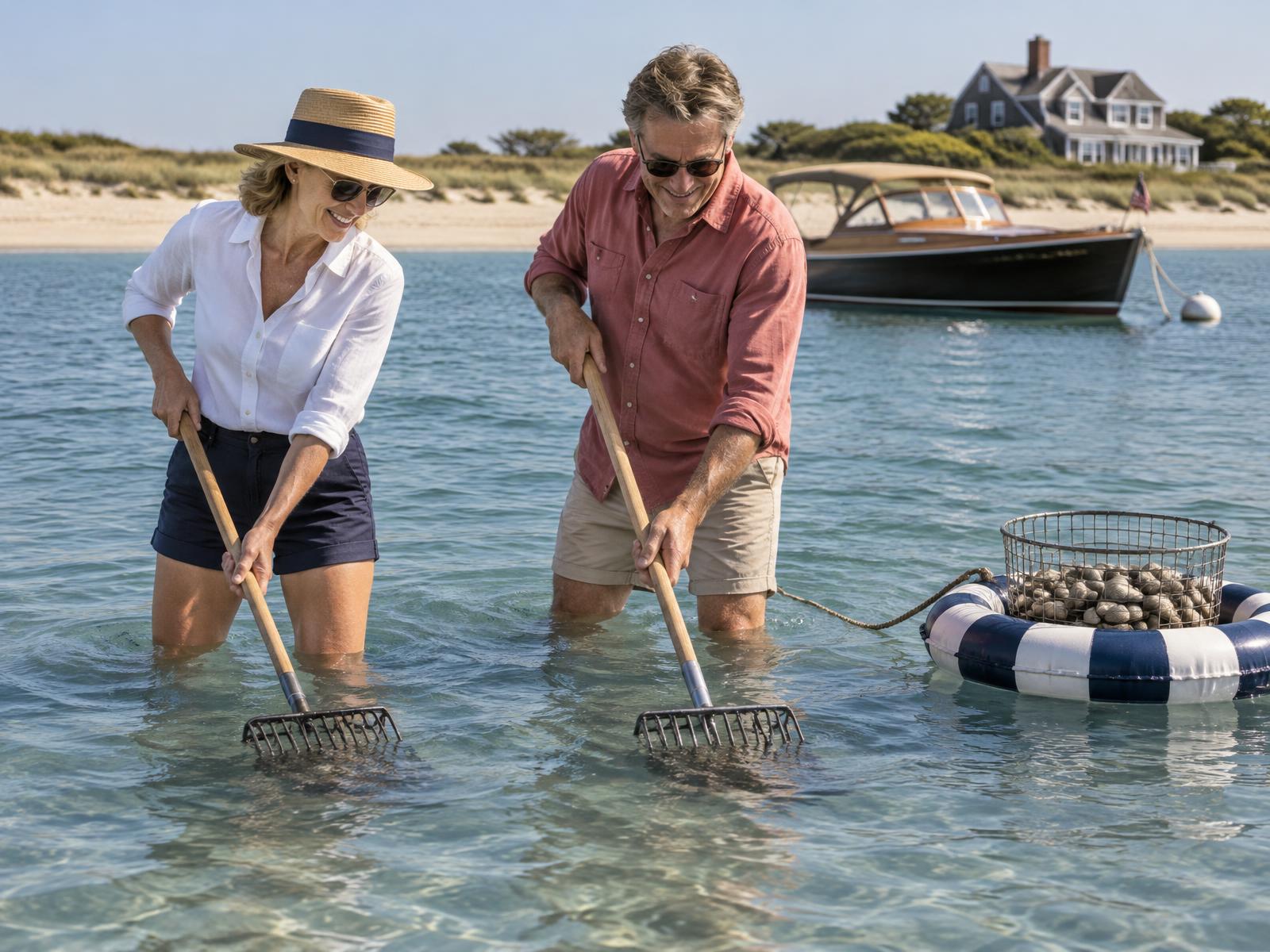
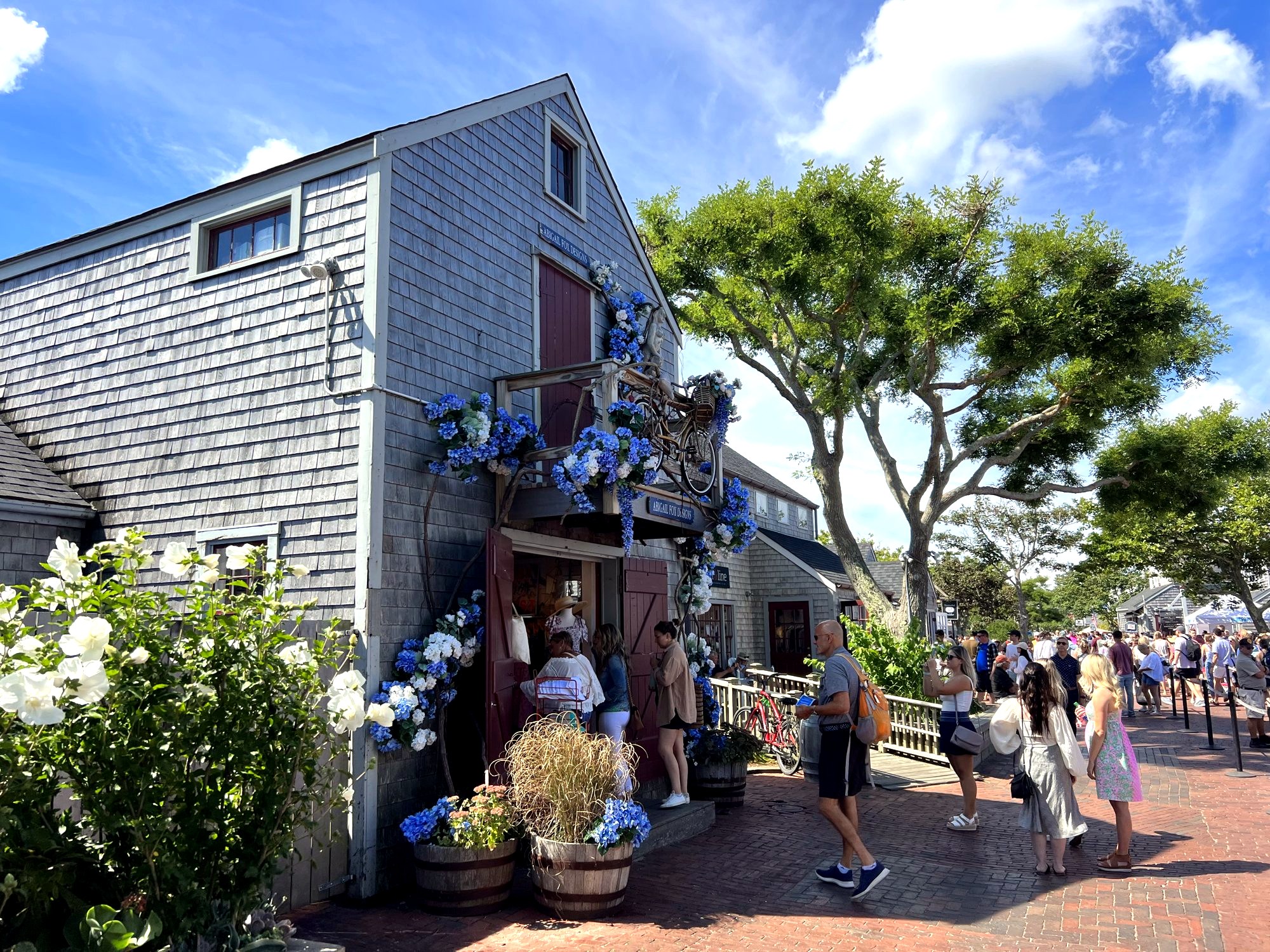
Ask anyone who grew up summering on the Cape whether they went clamming and you'll get a story: rolled-up jeans, a borrowed rake, a bucket that never seemed full enough. Nantucket has the very same tradition, just thirty miles farther out to sea. Islanders and visitors still wade the harbors and the sheltered shores of Coatue for quahogs, dig steamers on the flats, and carry home a wire basket that turns into chowder by dinnertime. It's one of the island's simplest pleasures, and one of its most stylish. A striped sweater, good boots, a straw hat, a wooden-handled rake. It has always been the most preppy way to spend a low tide.
Yes, Nantucket clams too, and it isn't only a summer thing
Like the towns on Cape Cod, Nantucket manages its own shellfish beds and issues its own recreational permits. The island's best-loved catch is the quahog, the round, hard-shelled clam of New England clambakes. The town's rules list quahogs as open year-round. That means a bright November morning or a still January low tide counts just as much as August. Steamers (soft-shell clams) are a Sunday tradition outside the summer closure, and bay scallops, Nantucket's famous winter treasure, open from October through March. Clamming here isn't a tourist attraction with a ticket booth. It's what people do on a quiet morning, with a thermos of coffee in the truck.
First, the permit (everyone 14 and up)
Every person 14 or older needs their own Town of Nantucket recreational shellfish permit and must display their own permit button. Children under 14 can dig alongside a permit holder, and their clams count toward that adult's limit. At the time of writing, the town lists the permit at $35 for residents, $125 for non-residents, $50 for a one-week non-resident permit, and free for residents over 60. You can apply online or in person at the Public Safety Facility on Fairgrounds Road. Fees, seasons and closed areas can change, so check the town's Natural Resources Department pages before you go. Also watch for posted closure signs at beach access points. Only dig in open areas: it protects both the beds and your supper.
Quahogs: the island classic
Quahogs live in the sandy, muddy shallows, and the sheltered southern shore of Coatue is a long-time favorite, along with Madaket Harbor. Getting to Coatue is half the fun: by boat, by kayak on a calm day, or by beach vehicle with an over-sand permit. The traditional tool is a quahog rake with long curved tines. Push it into the sand and draw it toward you. When it meets a shell you'll feel and hear a distinct little clink. Many clammers also 'tread,' wiggling their bare feet in the soft bottom until they feel a hard round shell. Under the town's current rules, a quahog must be at least one inch thick at the hinge. The limit is one 10-quart bucket a day and no more than a bushel a week. Littlenecks are the small ones, cherrystones the medium, and the big ones go straight into the chowder pot.
Steamers on a Sunday
Soft-shell clams, the steamers you dip in broth and melted butter, live deeper in the tidal flats. Look for small holes in the sand at low tide; a little squirt of water is the giveaway. A short clam fork (or a patient pair of hands) does the work. Nantucket opens steamers on Sundays only and closes them from June 15 to September 15. That makes them a lovely fall, winter and spring ritual, and a perfect excuse to bring the grandchildren in their rain slickers. Steamers must be at least two inches long, and the limit is one 10-quart bucket. Undersized clams go back neck-up and are covered gently with sand, so they'll be there next year.

What to wear: the preppy clamming uniform
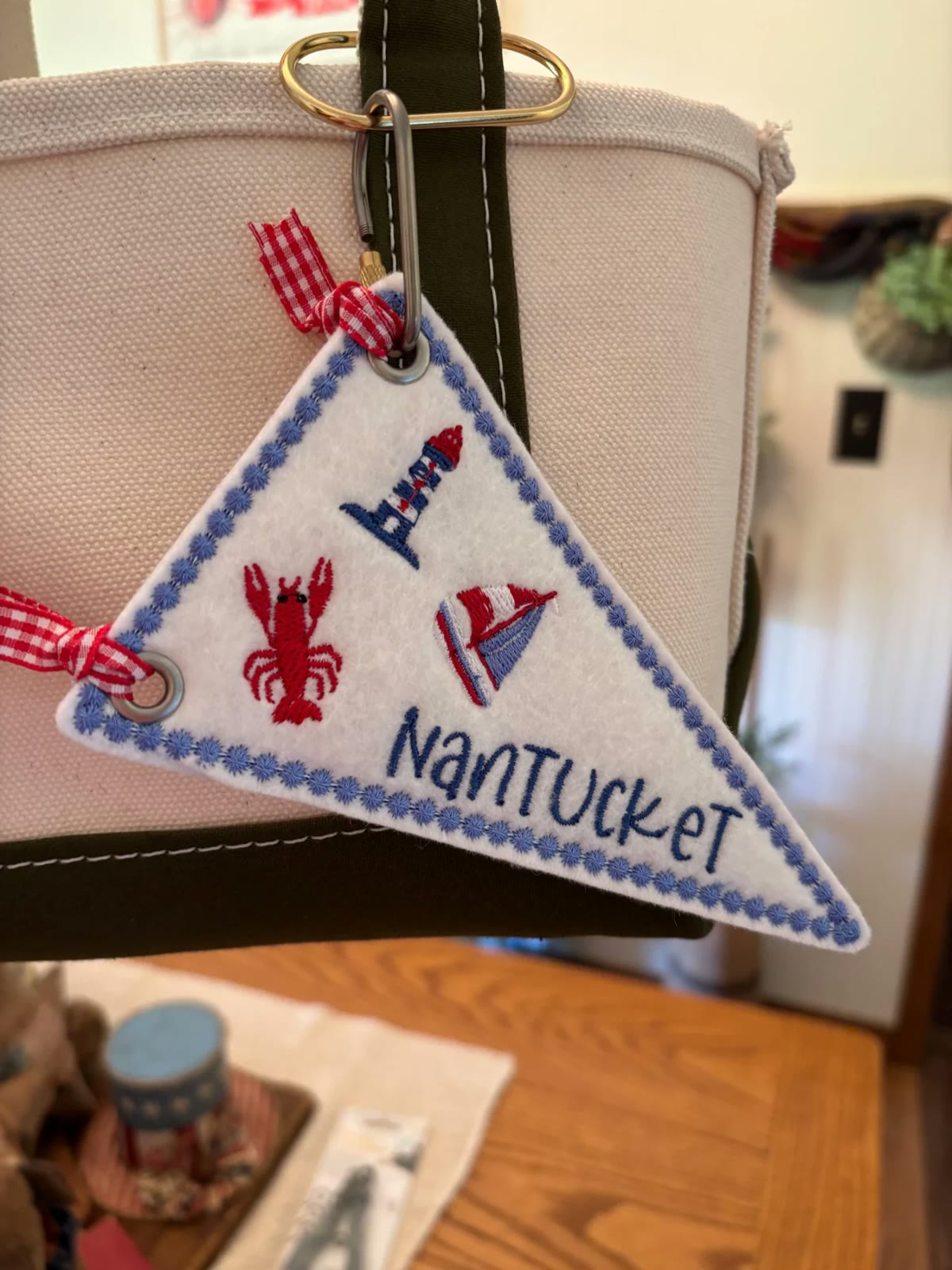
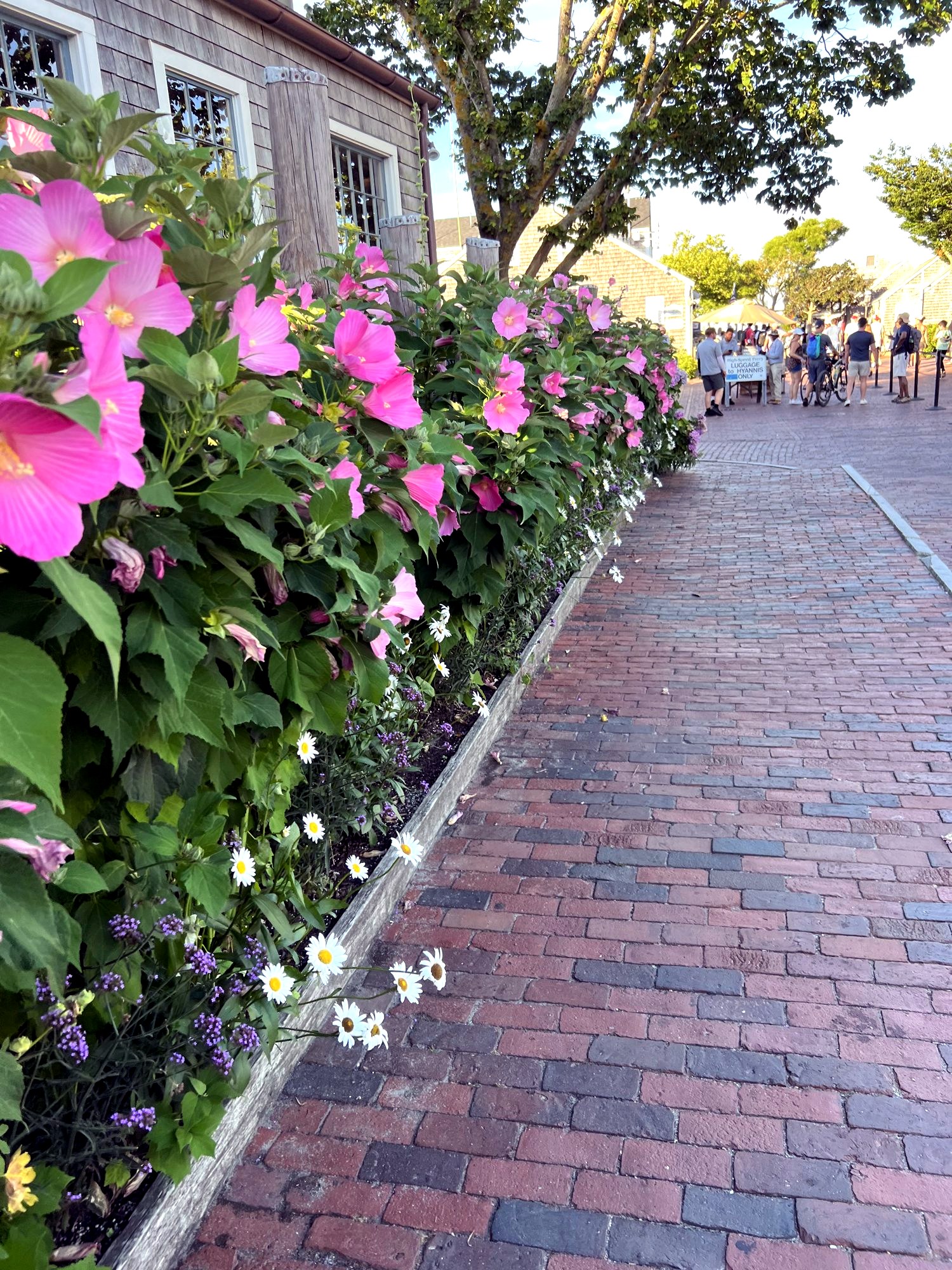
Half the charm of clamming is how wonderfully unfussy it looks. In summer: a crisp white button-down with the sleeves rolled, navy or Nantucket-red shorts, a wide-brim straw hat and sunglasses. In fall and winter: a Breton-striped sweater or a cream fisherman knit, a quilted vest, rolled white jeans and tall rubber boots. Old sneakers or water shoes protect your feet from shells and sharp edges. Bring a galvanized wire basket. Tie it to a striped inner tube if you're wading deep, and you won't have to carry the weight. Pack a canvas boat tote with a towel, a ruler or clam gauge, your permit button, and something warm to drink.

Supper on the tailgate
There is no finer meal on the island than clams you dug yourself an hour ago. Rinse them well in cold water, then steam them simply: a splash of white wine, garlic, butter and a handful of parsley in a heavy pot until the shells pop open. Throw away any that stay closed. Bring the pot to the beach with a striped blanket, a crusty loaf, lemon wedges and a bottle of something cold. Pile littlenecks on a blue-and-white platter over ice, and stand a jar of hydrangeas on the tailgate. Watch the sun go down over the harbor. That's the whole recipe for a perfect Nantucket evening.

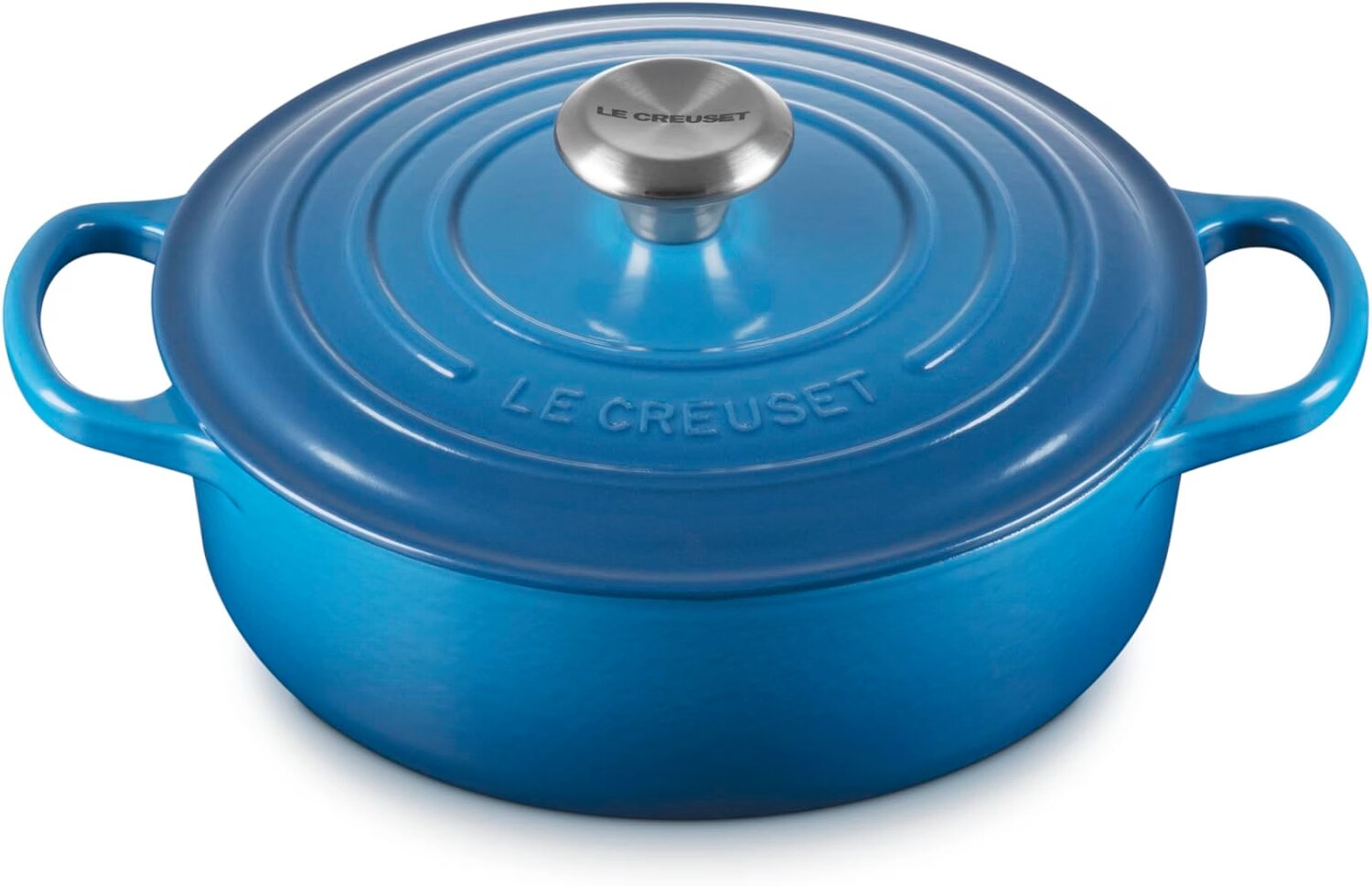
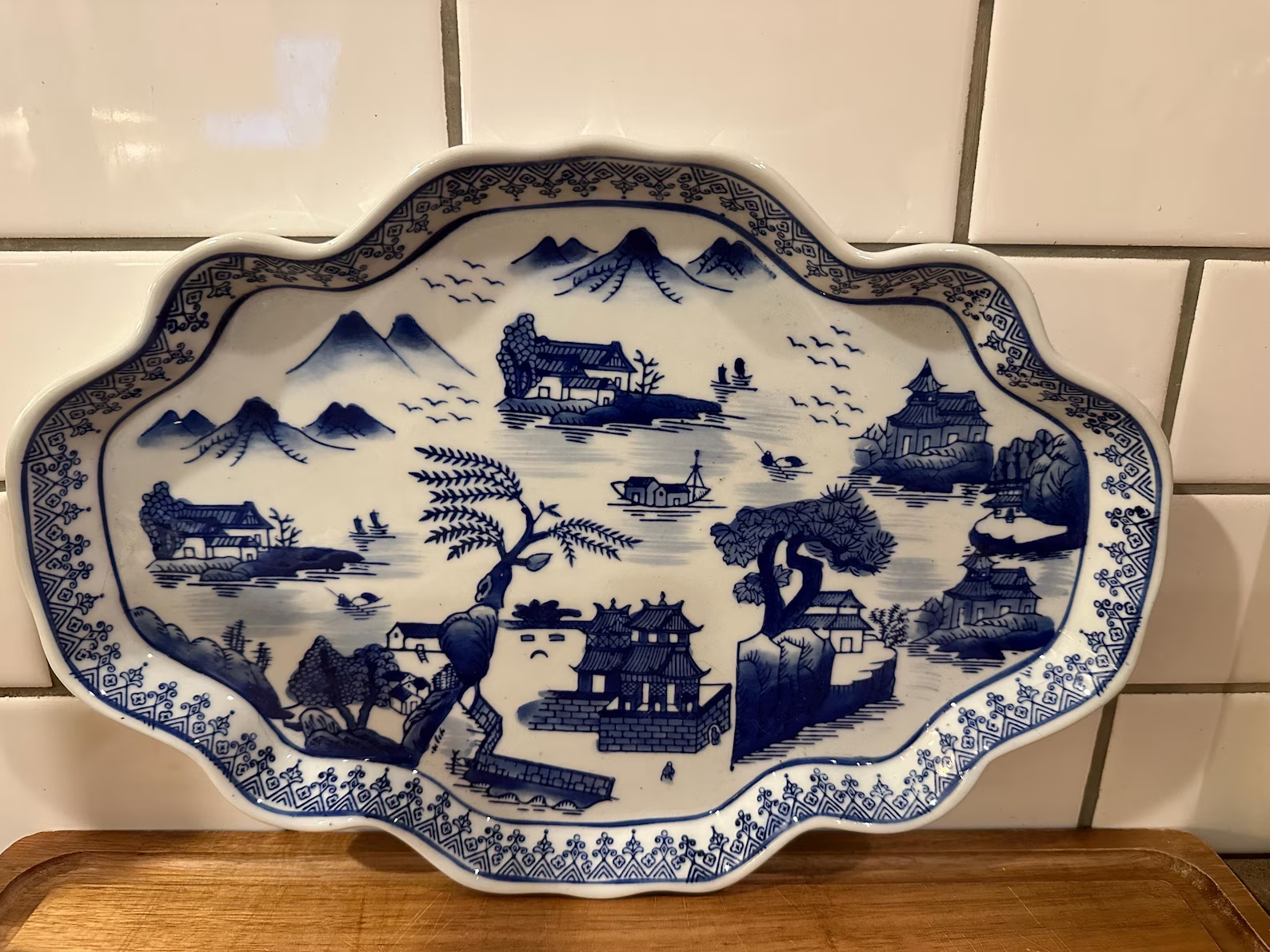
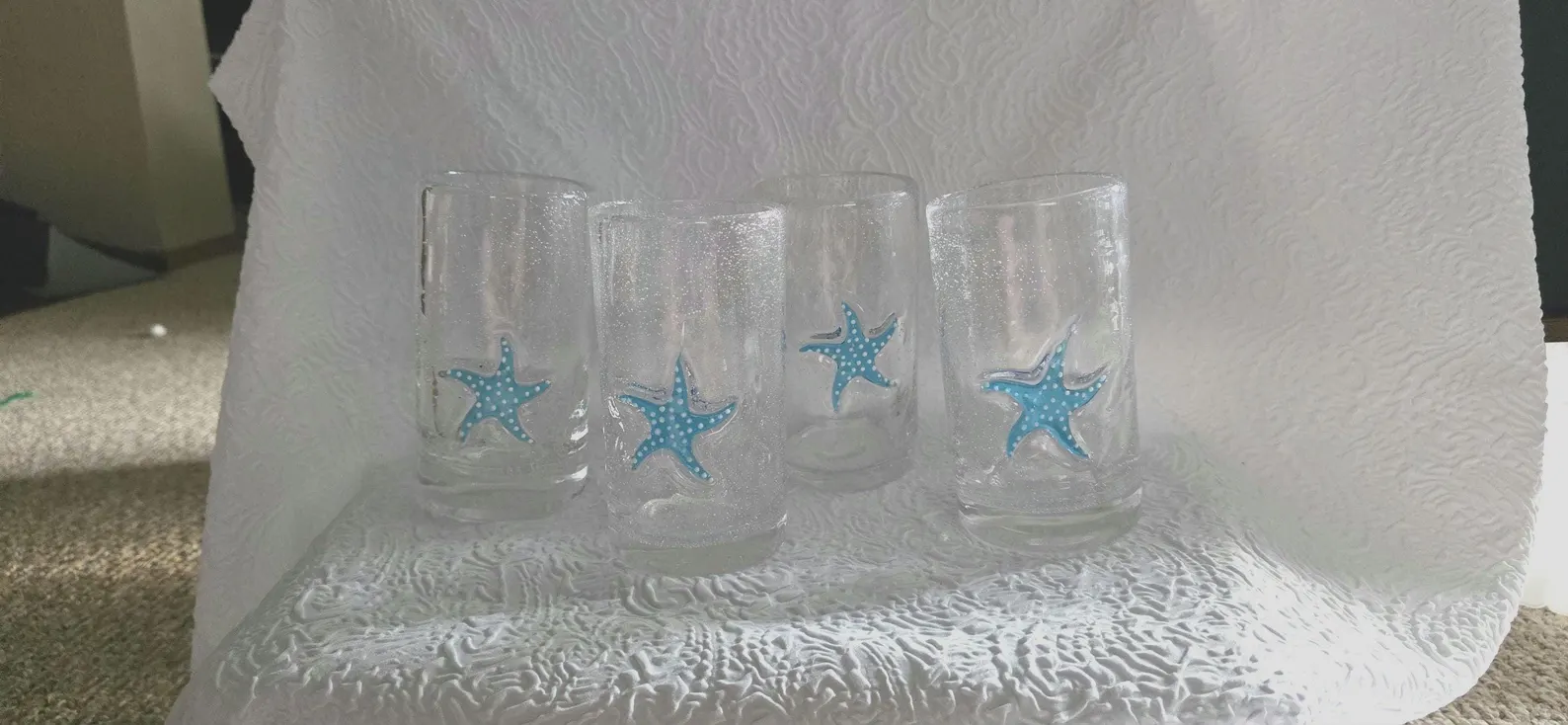
Bring the catch home to a blue-and-white kitchen
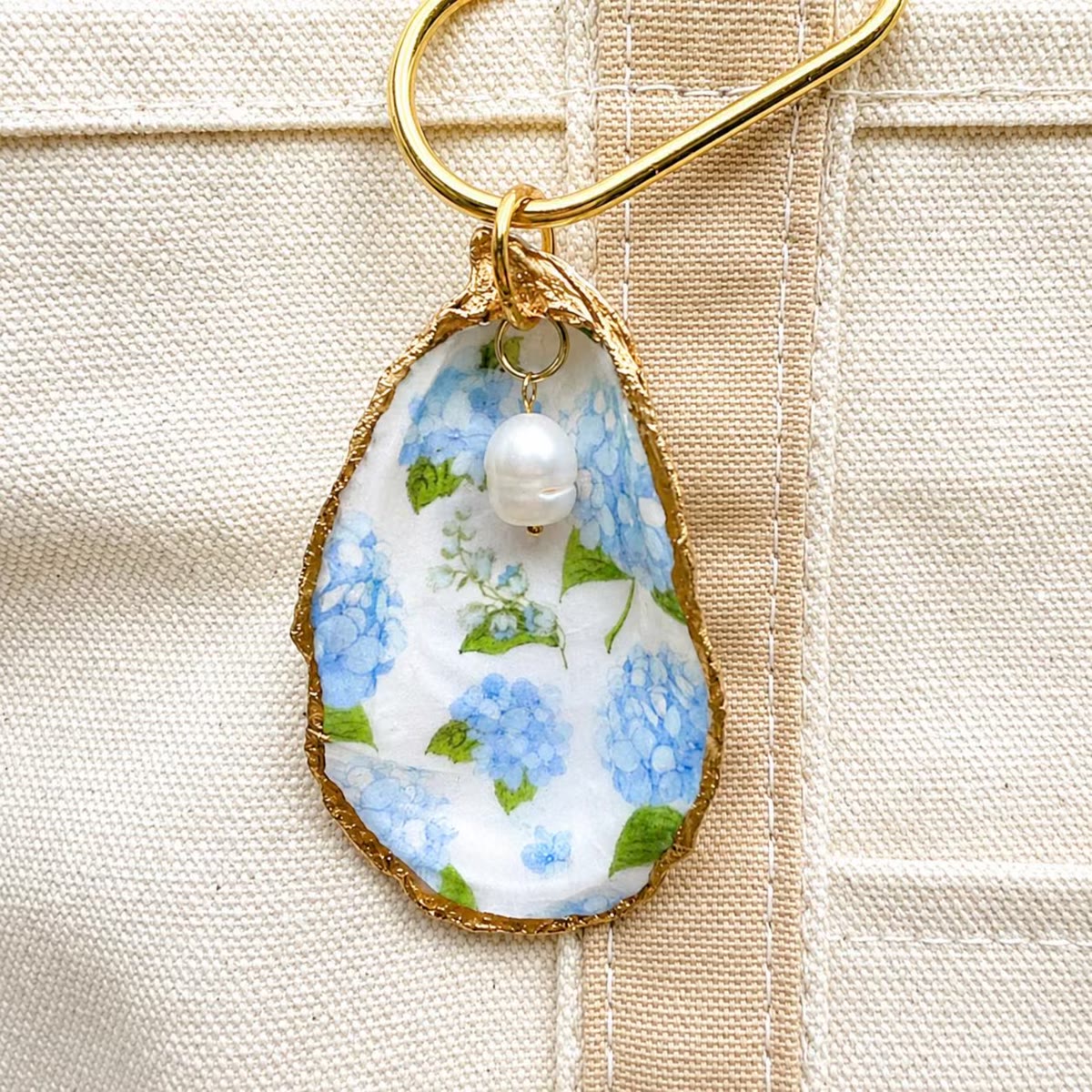
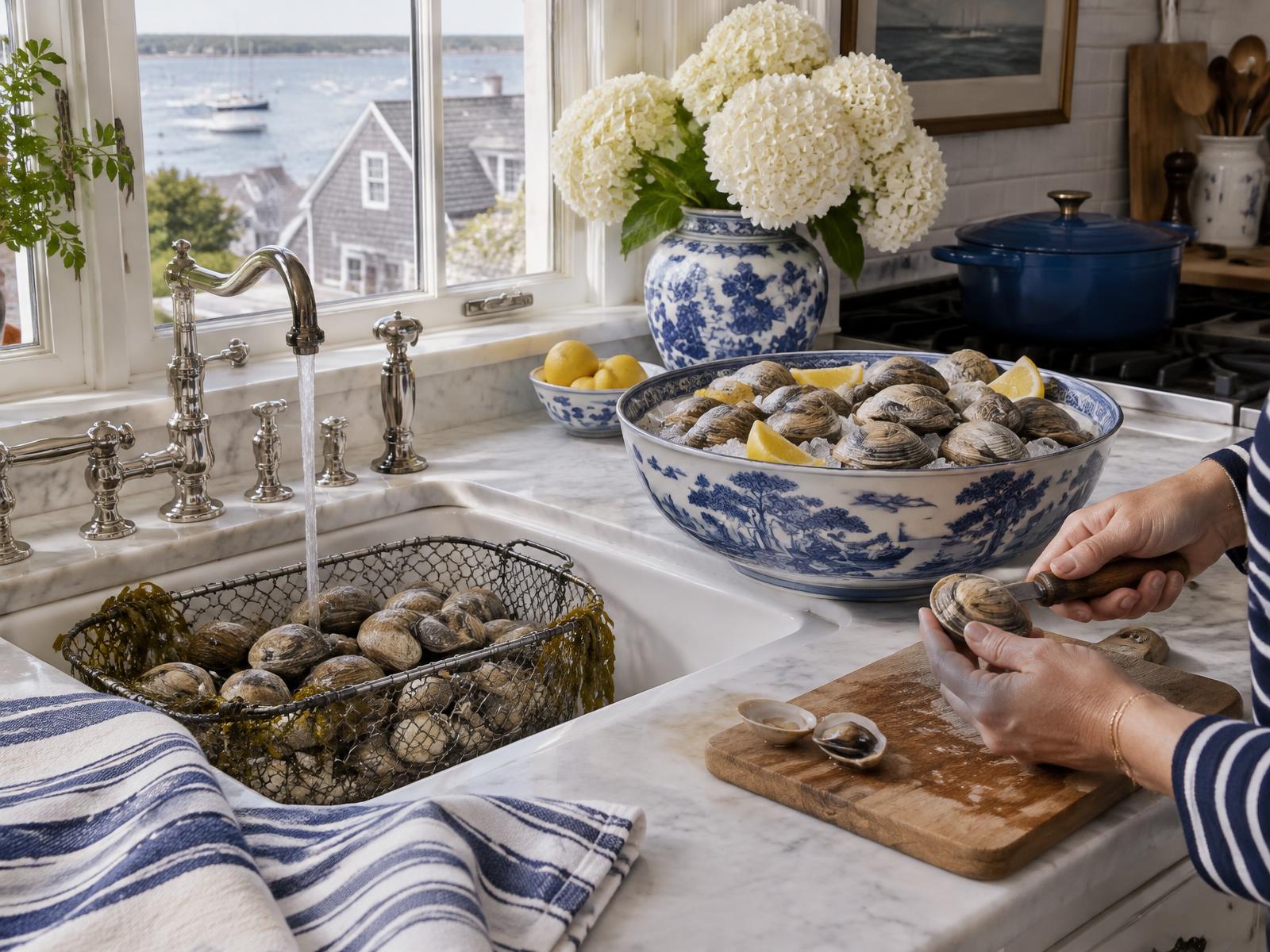
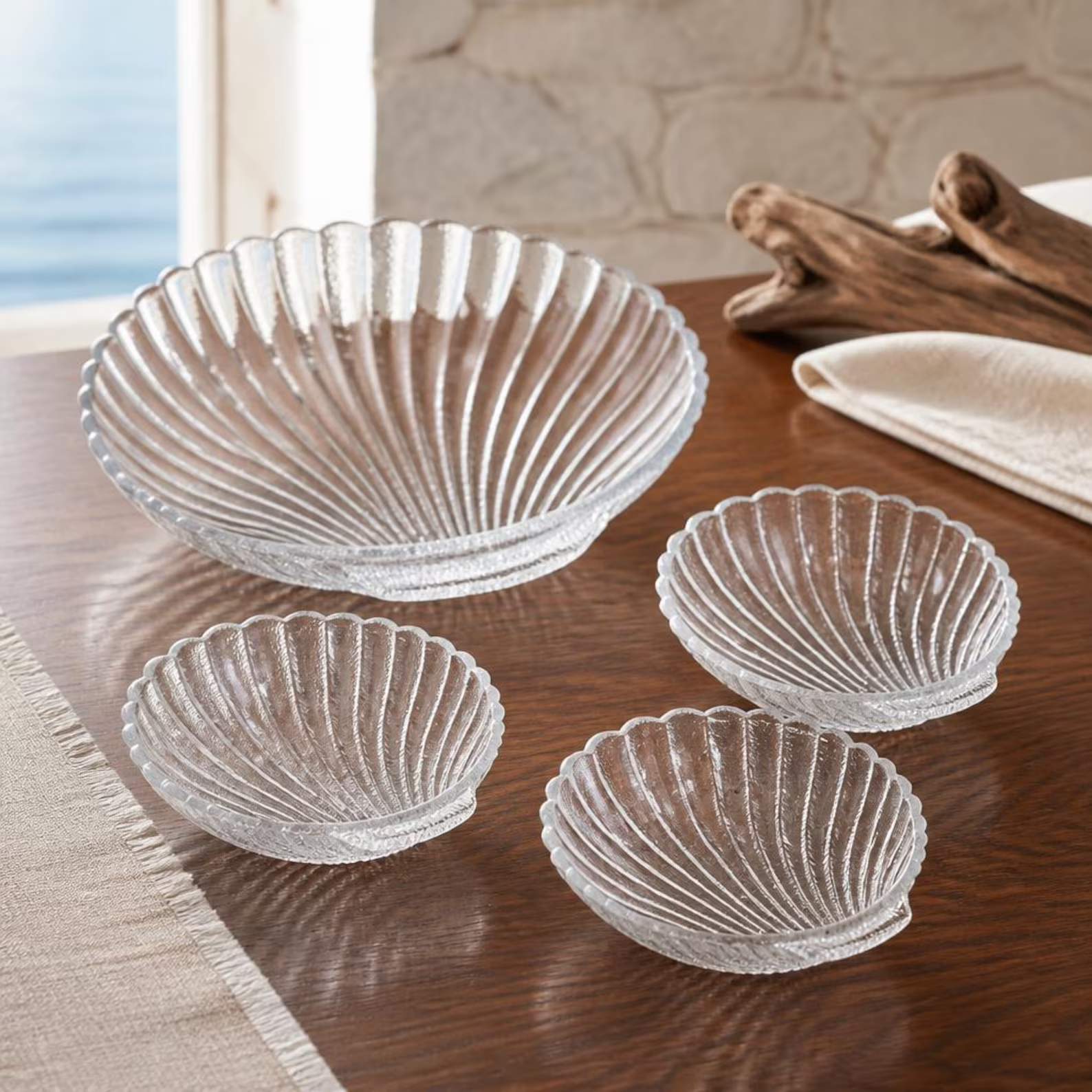
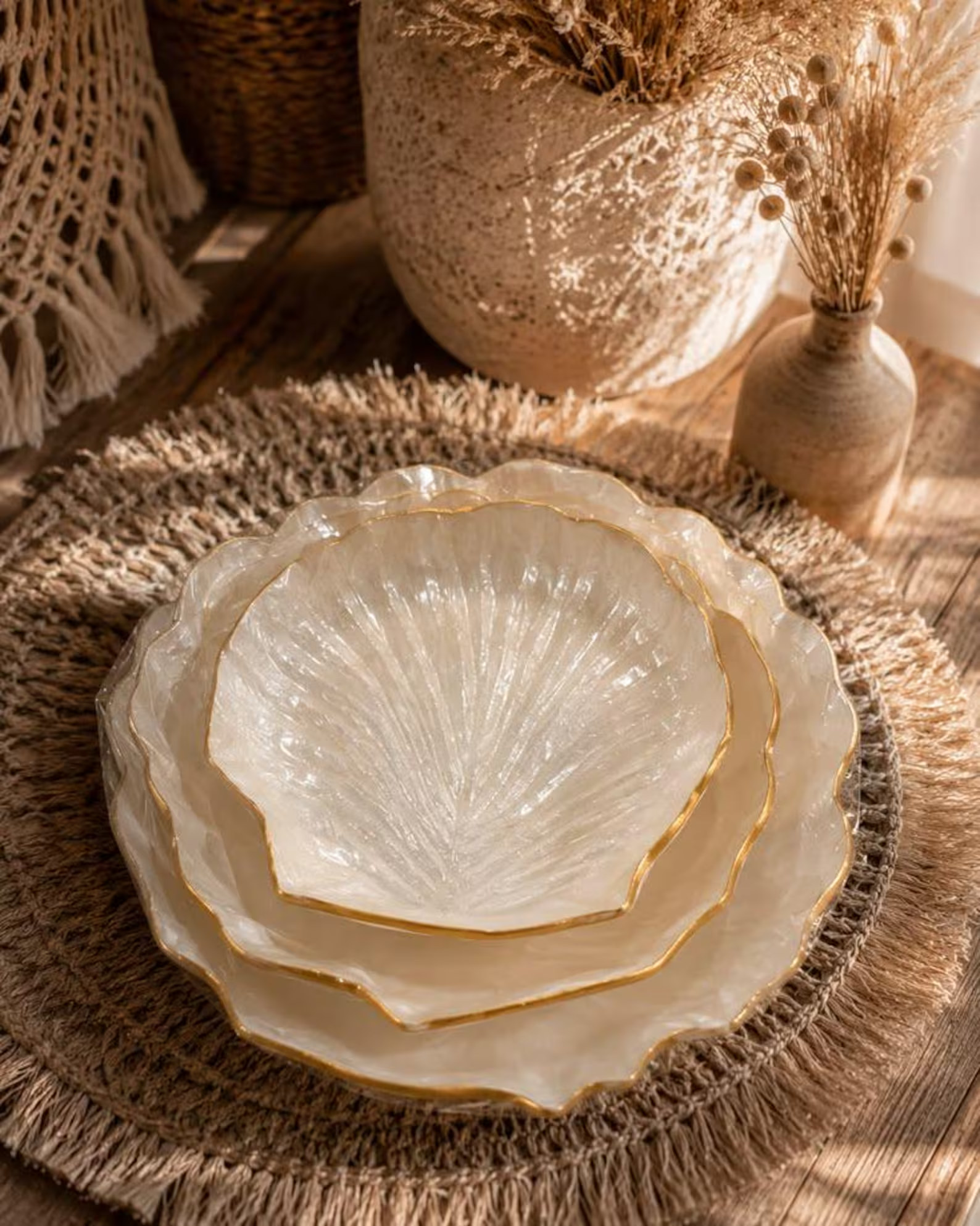
Back at the house, clamming turns into entertaining. Scrub the shells under cold water in a wire basket, set out a bowl of ice, and shuck a few littlenecks for whoever wanders into the kitchen first. Serve them on the half shell in a big blue-and-white bowl with lemon, and save the cherrystones and big quahogs for chowder. Our Christmas Eve New England Clam Chowder makes the perfect next step. Keep it beautiful and simple, styled in threes: a bowl of clams, a jar of white hydrangeas, a stack of shell dishes. Clamming leaves the kitchen smelling like the sea, and that is exactly the point.
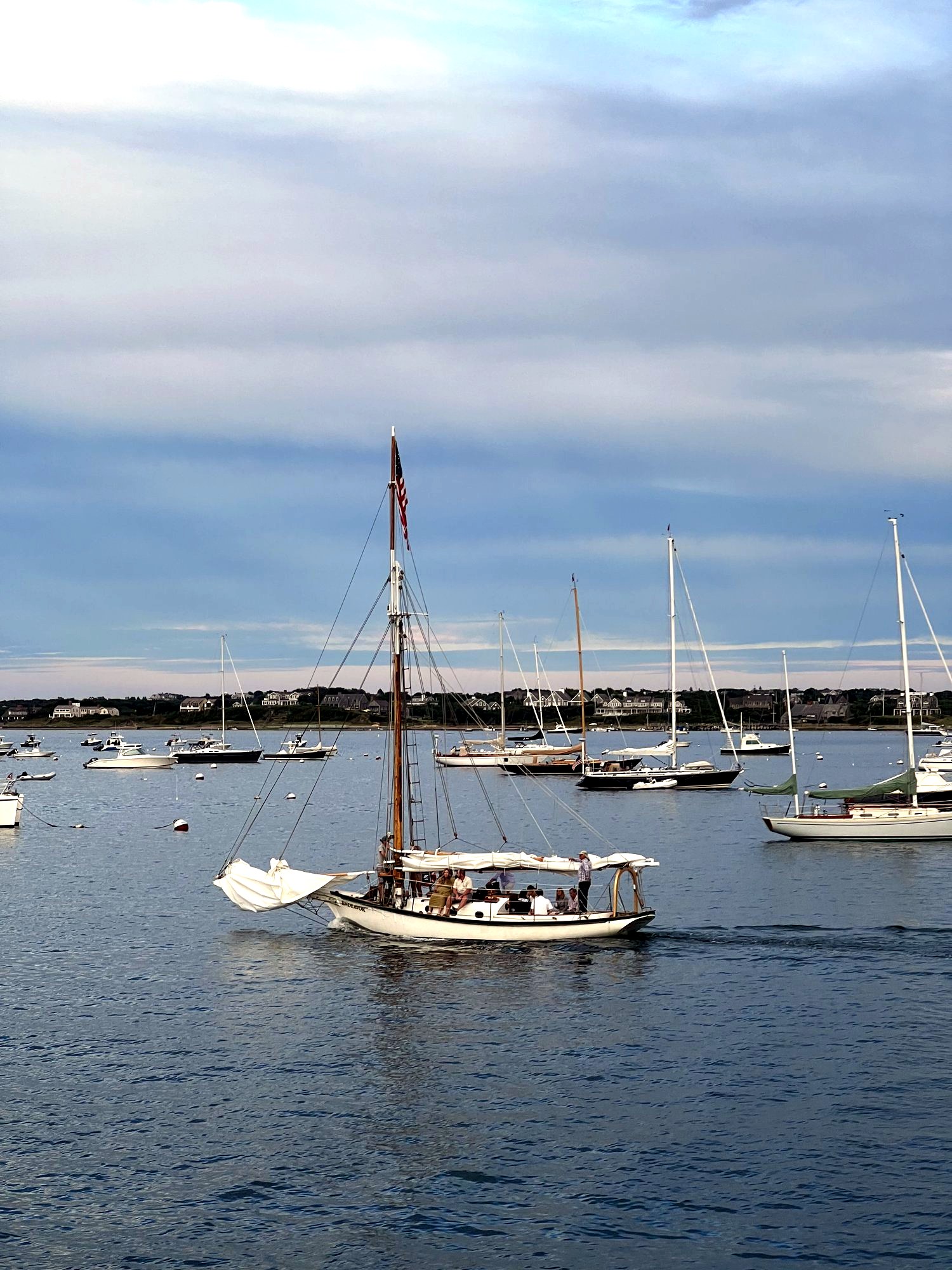
A few good manners on the flats
Take only what you'll eat, and measure as you go. Fill holes back in and return undersized clams gently. Respect closed areas, aquaculture grants and private property, and never sell a recreational catch. Keep your clams cold and cook them the same day. If you're new to it, the Nantucket Shellfish Association shares how-to guides, and the town's Natural Resources Department can answer questions about rules and open areas. The island's shellfish beds are part of what makes Nantucket Nantucket. Treat them kindly and they'll be there for your grandchildren's first clink of the rake.
Clamming on Nantucket asks very little of you: a permit, a rake, a basket and a low tide. What it gives back is the island at its most authentic. Bare feet in cool water, the clink of a shell on the tines, a sunset supper and a story to tell. Whether you're a Cape Cod clammer trying the island waters or you've never held a rake, this is the season to start. Quahogs don't take the winter off, and neither should you.
Sources & Further Reading
- Town of Nantucket — Shellfish Permit
- Town of Nantucket Code — Recreational Shellfishing (harvest criteria by species)
- Town of Nantucket — Natural Resources Department
- Nantucket Shellfish Association — Summer Clamming
- Nantucket Current — Current Waters: Quahogs
- Yesterday's Island — Spreading the Fishing Bug
Reader Notes
Nantucket Charm is a participant in the Amazon Associates program. We may earn a small commission on purchases made through links in this story, at no extra cost to you.